

Tourism is often celebrated for attracting visitors, generating revenue, creating jobs and showcasing destinations to the world. Across Africa, tourism connects travelers with remarkable landscapes, wildlife, cultural heritage, cuisine and community experiences. It can also create opportunities for hotels, tour operators, farmers, artisans, transport providers, guides and small businesses.
But an important question deserves greater attention: when tourism generates money, how much of that value stays within the destination—and who benefits from it?
A destination may welcome more visitors and generate substantial tourism revenue without ensuring that local businesses and communities receive a meaningful share of the opportunities. Some spending flows to suppliers outside the destination, international booking platforms, imported products or businesses whose ownership and profits are based elsewhere. Meanwhile, local residents may experience increased pressure on land, water, housing, infrastructure and cultural resources.
This does not mean international investment or global tourism partnerships are inherently harmful. They can bring capital, expertise, employment and access to wider markets. The challenge is to connect these opportunities more effectively with local economies.
For African destinations, sustainable tourism should therefore be about more than attracting visitors. It should also be about strengthening local enterprises, supporting decent work, encouraging community participation and retaining more economic value where tourism takes place.
Understanding Tourism Value Leakage
Tourism value leakage occurs when money generated by tourism leaves the destination or national economy rather than circulating locally. Some outflows are unavoidable, particularly when destinations rely on imported equipment, specialist services, technology or international distribution channels.
The concern is not that every tourism transaction must remain local. It is whether destinations have realistic opportunities to develop local suppliers, businesses, skills and ownership—and whether those opportunities are being used.
For example, a hotel may generate revenue from international guests but purchase much of its food, furniture, maintenance services and operating supplies from businesses outside the destination. A tour operator may sell a locally delivered experience through an international intermediary, while only part of the final price reaches local guides and service providers.
These examples illustrate why visitor spending alone does not tell the whole story.
The OECD’s Tourism Trends and Policies 2026 examines how tourism value chains, local businesses and community participation affect the distribution of tourism benefits. Its analysis highlights the importance of strengthening local economic connections so destinations can gain more from tourism activity. See the OECD report on tourism’s social benefits.
The practical lesson is clear: destinations need to understand not only how much tourism generates, but also where that money goes.

Looking Beyond Visitor Numbers and Tourism Revenue
Visitor arrivals, hotel occupancy, average daily rates and tourism receipts are useful indicators. However, they do not independently reveal how widely tourism benefits are distributed.
A more complete picture asks additional questions:
- How much do tourism businesses spend with locally owned suppliers?
- What proportion of jobs goes to residents, and are these jobs secure, fairly paid and supported by training?
- Can local entrepreneurs access contracts, finance, business development support and tourism markets?
- Are farmers, artists, guides and cultural practitioners compensated fairly for their contributions?
- Do local communities have a meaningful voice in tourism planning and decisions that affect them?
- Is tourism helping support local services, infrastructure, conservation and cultural heritage?
The Global Sustainable Tourism Council’s Destination Criteria provide a useful reference. They address tourism’s economic contribution, local entrepreneurship, decent work, community engagement and the protection of cultural heritage. Explore the GSTC Destination Criteria.
These principles help shift the conversation from tourism growth alone towards the quality, distribution and durability of the value created.
Strengthening Local Businesses Across the Tourism Value Chain
Tourism depends on a network of businesses that extends far beyond accommodation and attractions. Food producers, laundry services, construction firms, craftspeople, transport operators, digital service providers, event organizers and maintenance contractors can all contribute to the visitor economy.
When tourism businesses develop reliable relationships with capable local suppliers, more spending can circulate within the destination. Local enterprises may gain repeat customers, improve their products and services, employ more people and invest in their operations.
However, local procurement does not happen simply because a business wants to support the community. Suppliers may need help meeting quality standards, maintaining consistent supply, securing working capital, understanding tender requirements or managing seasonal demand.
Tourism businesses can help address these barriers through practical commercial partnerships.
Practical actions include:
- Mapping local suppliers and identifying products or services that can realistically be sourced within the destination.
- Sharing purchasing forecasts and requirements early enough for suppliers to plan.
- Using transparent selection criteria and proportionate contract requirements.
- Paying invoices on agreed terms and avoiding unnecessary delays.
- Providing feedback and reasonable opportunities for suppliers to improve.
- Working with business associations, training providers and public agencies to strengthen supplier readiness.
The objective is not to favour a supplier solely because it is local. It is to create fair opportunities for qualified local enterprises to compete, deliver reliably and grow.

Creating Better Jobs and Career Opportunities
Local economic value is not limited to business ownership. Employment quality matters too.
Tourism can create opportunities in hospitality, guiding, conservation, transport, food services, cultural experiences and destination management. Yet the number of jobs alone does not show whether workers benefit over the long term.
Destinations and businesses should also consider wages, working conditions, contract stability, access to training, promotion opportunities and representation in supervisory and leadership roles.
Tourism businesses can strengthen local employment by investing in practical skills development, supporting progression into management, improving working conditions and creating transparent recruitment pathways. Partnerships with local schools, colleges and vocational training institutions can help connect training with real industry needs.
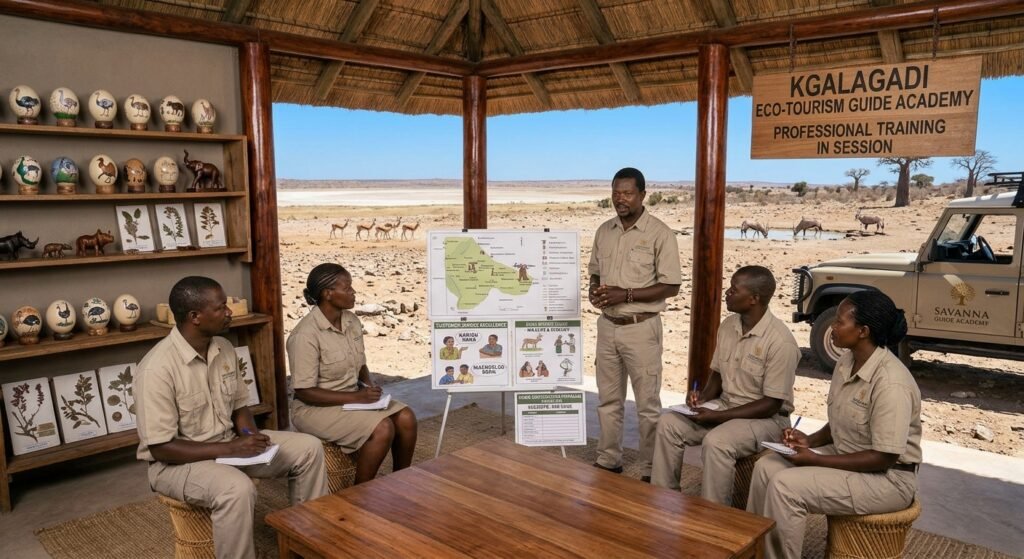
Where possible, businesses should track not only how many local people they employ, but also how many receive training, progress into higher-responsibility roles and remain with the organization.
This approach supports a stronger workforce while helping residents build careers rather than relying only on short-term or seasonal employment.
Supporting Community Enterprise, Culture and Local Identity
Tourism often relies on the distinctiveness of a destination: its food, crafts, music, stories, architecture, landscapes and living traditions. These assets are not simply products for visitors to consume. They are part of communities’ identities and livelihoods.
When local artists, craftspeople, cultural practitioners and guides participate in tourism on fair terms, tourism can create markets for their skills and help sustain cultural knowledge. When their contributions are poorly compensated, copied without permission or presented without community involvement, the economic and cultural benefits may be reduced.
Responsible tourism businesses should engage cultural contributors in designing experiences, agree on payment and attribution, respect community protocols and seek appropriate permission before using cultural expressions in marketing or commercial products.
Community-based tourism can also create opportunities for locally led accommodation, guiding, food experiences, craft sales and nature-based activities. Success depends on more than promotion: communities need appropriate business support, market access, transparent partnerships and a meaningful role in decisions.
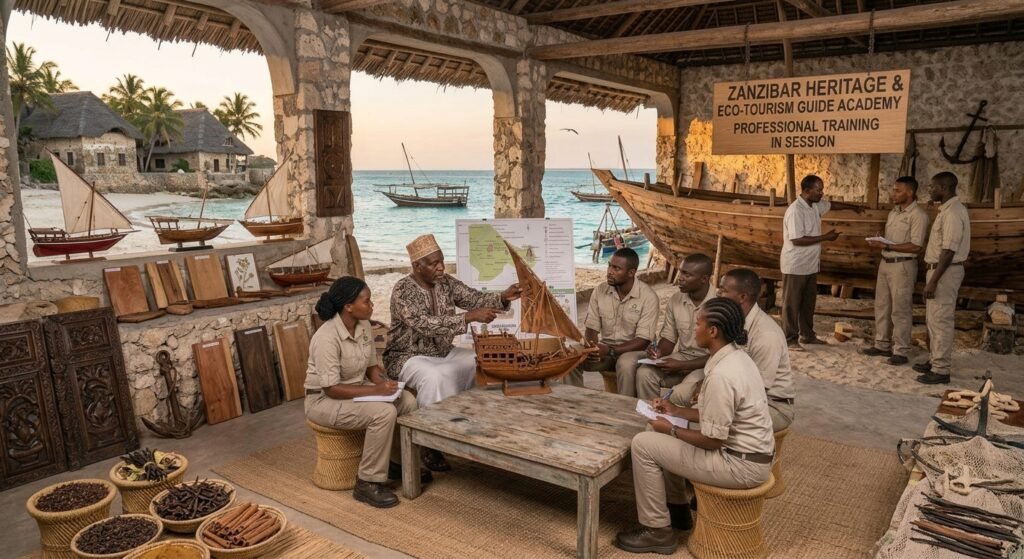
The guiding principle is simple: local people should have opportunities to help shape tourism experiences and share fairly in the value those experiences create.
Making Tourism Partnerships More Equitable
Tourism development frequently involves international hotel groups, investors, tour operators, booking platforms, governments and local businesses. These partnerships can bring valuable investment, expertise and access to global markets. The goal should be to ensure that benefits and responsibilities are clearly understood and that local participation is built into how projects operate.
Before launching a tourism project or partnership, stakeholders can consider several questions:
- Are local businesses able to compete for suitable contracts?
- Are training and career opportunities accessible to residents?
- Are responsibilities, payments and benefit-sharing arrangements clearly documented?
- Have affected communities been consulted in a meaningful way?
- Are cultural and environmental assets protected?
- Is there a process for raising concerns, resolving disputes and reviewing performance?
Governments and destination management organizations can help by improving access to business information, supporting local enterprise development, coordinating skills programmes and monitoring tourism’s economic and social impacts.
Tourism businesses, in turn, can publish clear commitments, engage local stakeholders and review whether their procurement, employment and partnership practices are producing the intended results.
Equitable partnerships do not require every benefit to be divided equally. They require transparent terms, fair treatment, meaningful participation and a clear understanding of how value is created and shared.
Measuring How Much Value Stays Local
If destinations want to retain more tourism value, they need indicators that show where progress is happening and where barriers remain.
A practical monitoring framework could include:
| Area | Example indicator |
|---|---|
| Local procurement | Percentage of addressable procurement spend going to locally owned suppliers |
| Local enterprise | Number of local small businesses contracted and retained |
| Employment | Share of employees recruited locally, alongside job-quality measures |
| Career development | Training completion and progression into supervisory or management roles |
| Community enterprise | Income or contracts generated through community-led tourism activities |
| Cultural value | Payments to local artists, guides and cultural practitioners |
| Community participation | Evidence that residents’ feedback influences tourism decisions |
| Local reinvestment | Tourism-related contributions to locally agreed community, conservation or heritage initiatives |
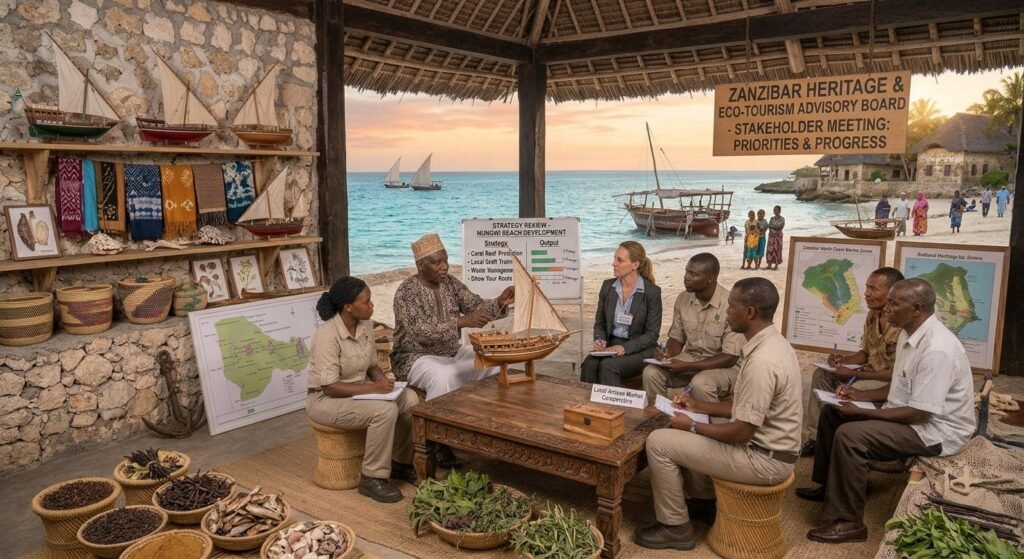
Destinations and businesses should define terms such as “local,” “locally owned” and “addressable procurement” before measuring performance. For example, local might mean a community, district, region or country, depending on the purpose of the indicator.
The figures should be interpreted carefully. A high local procurement percentage does not automatically prove that suppliers receive fair prices or provide decent working conditions. Similarly, local recruitment figures do not reveal whether employees have opportunities to progress.
Combining economic data with worker feedback, supplier experiences and community input provides a more meaningful picture.
The GSTC Destination Criteria offer a useful starting point for destinations seeking to monitor economic contributions and the distribution of tourism benefits.
How African Tourism Businesses Can Start Retaining More Value Locally
Improving local value retention does not require every business to transform its entire operation at once. A focused, measurable approach can help organizations identify practical opportunities and build momentum.
1. Review Where Tourism Spending Goes
Examine procurement, employment, contracting, partnerships and other major areas of expenditure. Identify which costs already support local enterprises and where spending flows outside the destination.
2. Map Local Business and Skills Opportunities
Identify capable suppliers, small businesses, community enterprises, training providers and local professionals. Understand their products, capacity, standards and barriers to participation.
3. Identify Practical Areas for Improvement
Choose realistic priorities, such as increasing local food purchasing, contracting local maintenance services, expanding guide training or developing partnerships with community-led experiences.
4. Build Fair and Reliable Partnerships
Set clear expectations, agree on pricing and payment terms, communicate demand in advance and establish practical ways to resolve problems. Support supplier development where it makes commercial sense.
5. Set Targets and Measure Results
Establish a baseline and select indicators that fit the business or destination. Review progress regularly and consider both the amount of value retained locally and the quality of the benefits created.
Step 6: Share Progress and Learn
Communicate achievements honestly, acknowledge remaining challenges and invite feedback from suppliers, employees and communities. Use the lessons to improve future decisions.
Progress will differ by destination. Some areas may need stronger infrastructure and supplier capacity before local procurement can expand significantly. Others may have established local enterprises but need better access to contracts, finance or tourism markets. Understanding the context is essential.
Building African Tourism That Creates Lasting Local Value
The question of who benefits from tourism is not answered by visitor numbers alone. It is answered by examining how tourism spending moves through the economy, who has access to opportunities, what kind of jobs are created and whether communities have a meaningful voice in development.
For African destinations, retaining more tourism value locally can help strengthen small businesses, support better employment pathways, sustain cultural livelihoods and improve the connections between tourism and other parts of the economy. Achieving these outcomes requires cooperation among tourism businesses, governments, investors, workers, suppliers and communities.
International partnerships and investment can remain important parts of this picture. Their contribution is stronger when they help build local capability, create fair opportunities and support long-term destination resilience.
Sustainable tourism is not simply about bringing more people to a place. It is about creating value in ways that benefit the destination, respect its people and help protect the assets on which its future depends.
The question for every tourism business is not only, “How much revenue did we generate?” but also, “How much lasting value did we help create locally?”
At OJIS Travels & Advisory, we believe stronger tourism futures begin with practical decisions that connect global opportunities with local priorities.
African Perspective. Global Outlook. Local Impact.
What is one practical step your tourism business or destination could take to help more tourism value remain in the local economy? Share your perspective and join the conversation.